
Yuki Tsunoda’s 54-kilogram body weight and 1.59-meter height have been hot topics in Formula 1 paddocks. Tsunoda may be taller than others, but he has used quickness, concentration, and a very strict training regimen to make the most of his diminutive size. In a sport where taller players predominate, his little frame, which is frequently made fun of by both spectators and the media, distinguishes him as a symbol of flexibility rather than an exception.\
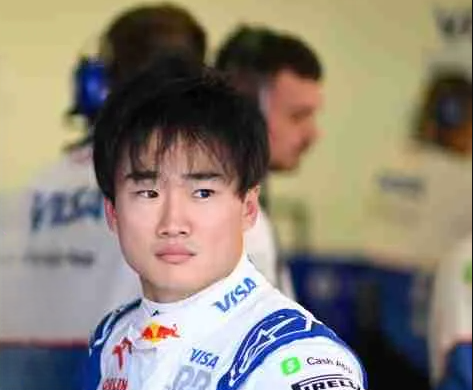
He weighs 54 kg, which is significantly less than the typical Formula 1 driver. Lando Norris of McLaren is 11 cm taller, and the seasoned veteran Fernando Alonso is even marginally taller. Even though Tsunoda is the shortest driver competing right now, he has been able to turn his physical constraints into a unique advantage. He has created a racing style that is incredibly efficient by emphasizing accuracy and reflex speed above raw force, especially in tight circuits where split-second reactions can change the outcome of a race.
Yuki Tsunoda – Personal and Professional Information
| Category | Details |
|---|---|
| Full Name | Yuki Tsunoda |
| Date of Birth | May 11, 2000 |
| Birthplace | Sagamihara, Kanagawa, Japan |
| Nationality | Japanese |
| Height | 1.59 meters (5 ft 3 in) |
| Weight | 54 kilograms (119 lbs) |
| Current Team (2025) | Red Bull Racing |
| Previous Teams | AlphaTauri (2021–2023), Racing Bulls (2024–2025) |
| Formula 1 Debut | 2021 Bahrain Grand Prix |
| Best Finish | 4th place – Abu Dhabi Grand Prix (2021) |
| Championships | 0 (as of 2025) |
| Notable Wins | JAF F4 Championship (2018) |
| Reference |
His driving experience’s technical aspects are especially fascinating. Tsunoda once clarified that his Formula 1 car needs a specially designed seat and pedal arrangement. With his trademark sense of humor, he remarked, “I have to put a lot of foam inside the monocoque to make my seat position higher to see the view clearly.” “In addition, we created a very unique pedal case so I could reach the pedals.” The degree of engineering customization required to make the Japanese racer feel comfortable inside his machine is highlighted by these minor but significant changes.
Some people may assume that being smaller automatically results in a speed advantage because of the decreased weight. However, FIA regulations, which now require that the car and driver’s total weight meet a specified minimum, have greatly diminished this advantage. Taller drivers won’t be unjustly punished for their size thanks to this. As a result, Tsunoda’s lightweight design may appear advantageous, but it doesn’t actually improve performance. Rather, it poses engineering problems that his team must carefully adjust to.
However, statistics have never been able to limit Yuki’s resolve. He has publicly said that he is training harder than ever to increase his physical stamina and strength, especially his ability to withstand strong G-forces by strengthening his upper body. During his time at AlphaTauri, he remarked, “I have worked hard on my physical preparation, training every day and focusing on those areas where I saw I needed to be stronger.” He is a very dependable fighter who can continue to perform at his best under pressure because to this training schedule and keen technical knowledge.
Tsunoda, who was raised in Tokyo after being born in Sagamihara, has advanced through the motorsport ranks remarkably quickly. At the age of nine, he started karting and soon established himself with Honda’s help through the Honda Formula Dream Project. He had already won the JAF Japan F4 East Series by 2017 and the F4 Japanese Championship the following year. His ability to quickly adjust was evident with his move to the European circuits, such as FIA Formula 3 and Formula 2, and it would be crucial to his success in Formula 1.
For Japanese motorsport fans, his 2021 debut on the Formula 1 grid was especially novel and reignited the country’s passion for the sport. There were many teaching moments throughout his first season with AlphaTauri, including his fourth-place result in Abu Dhabi. As Tsunoda has developed into a more calm and calculated driver throughout the years, he was promoted to Red Bull Racing in 2025, which is a testament to his growth and promise.
Tsunoda has always had a big personality despite his diminutive size. His genuineness and sense of humor have helped him gain a devoted following. He famously responded, “Grow,” after Formula 1’s Twitter account requested fans to finish the statement, “In 2021, Yuki Tsunoda will.” His laid-back demeanor was captured in that moment, winning him admirers all around the world. Because of his self-awareness and unwavering perseverance, he has become an accessible character in a sport that is frequently perceived as exclusive and remote.
Beyond F1’s technical concerns, Tsunoda’s physical profile is significant. He is a living example of the adage that one’s restrictions are only as strong as one permits them to be. His work casts doubt on the idea that physical attributes determine achievement. Tsunoda’s accomplishments demonstrate a mentality that values technique, strategy, and consistency over physical attributes, much like Simone Biles did when she revolutionized gymnastics with her explosive strength and artistry despite being one of the shortest competitors in her field.
His diminutive size has forced designers to take a more inventive approach to automotive ergonomics from a mechanical standpoint. To improve his visibility and control, the steering column, seat, and cockpit alignment are all adjusted. Despite their complexity, these changes have proven to be incredibly successful, demonstrating that engineering can adapt to different physiologies without sacrificing functionality. Teams like Red Bull have demonstrated how inclusion and performance may coexist harmoniously by creatively tackling such issues.
Blink Mini 2K+ (newest model) – Plug-in Home & Pet Indoor Security Camera with 2K video resolution, night vision, enhanced audio, motion detection – 1 camera (Black)
$25.99 (as of June 2, 2026 00:41 GMT +00:00 - More infoProduct prices and availability are accurate as of the date/time indicated and are subject to change. Any price and availability information displayed on [relevant Amazon Site(s), as applicable] at the time of purchase will apply to the purchase of this product.)
Ring Solar Charger for Battery Doorbell (1st Gen)
$47.02 (as of June 2, 2026 00:41 GMT +00:00 - More infoProduct prices and availability are accurate as of the date/time indicated and are subject to change. Any price and availability information displayed on [relevant Amazon Site(s), as applicable] at the time of purchase will apply to the purchase of this product.)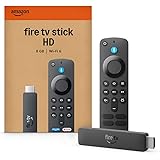
Amazon Fire TV Stick HD (newest model), free & live TV, Alexa Voice Remote, powered by the TV, effortless setup, find shows faster with Alexa+
$21.99 (as of June 2, 2026 00:41 GMT +00:00 - More infoProduct prices and availability are accurate as of the date/time indicated and are subject to change. Any price and availability information displayed on [relevant Amazon Site(s), as applicable] at the time of purchase will apply to the purchase of this product.)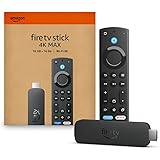
Amazon Fire TV Stick 4K Max streaming device, with AI-powered Fire TV Search, supports Wi-Fi 6E, free & live TV without cable or satellite, find shows faster with Alexa+
$33.99 (as of June 2, 2026 00:41 GMT +00:00 - More infoProduct prices and availability are accurate as of the date/time indicated and are subject to change. Any price and availability information displayed on [relevant Amazon Site(s), as applicable] at the time of purchase will apply to the purchase of this product.)
Amazon Fire TV Alexa Voice Remote Pro (newest model) with remote finder, TV controls, and backlit buttons
$27.05 (as of June 2, 2026 00:41 GMT +00:00 - More infoProduct prices and availability are accurate as of the date/time indicated and are subject to change. Any price and availability information displayed on [relevant Amazon Site(s), as applicable] at the time of purchase will apply to the purchase of this product.)
Alexa Emergency Assist Monthly (auto-renewal)
(as of June 2, 2026 00:41 GMT +00:00 - More infoProduct prices and availability are accurate as of the date/time indicated and are subject to change. Any price and availability information displayed on [relevant Amazon Site(s), as applicable] at the time of purchase will apply to the purchase of this product.)
Made for Amazon SanDisk 128GB microSD Memory Card for Fire Tablets and Fire -TV
$22.98 (as of June 2, 2026 00:41 GMT +00:00 - More infoProduct prices and availability are accurate as of the date/time indicated and are subject to change. Any price and availability information displayed on [relevant Amazon Site(s), as applicable] at the time of purchase will apply to the purchase of this product.)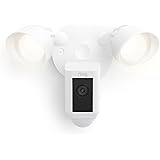
Ring Floodlight Cam Wired Plus (newest model), Outdoor home or business security with motion-activated 1080p HD video and floodlights, White
$179.99 (as of June 2, 2026 00:41 GMT +00:00 - More infoProduct prices and availability are accurate as of the date/time indicated and are subject to change. Any price and availability information displayed on [relevant Amazon Site(s), as applicable] at the time of purchase will apply to the purchase of this product.)
Amazon Echo Spot (newest model), Great for nightstands, offices and kitchens, Smart alarm clock, Designed for Alexa+, Black
$67.99 (as of June 2, 2026 00:41 GMT +00:00 - More infoProduct prices and availability are accurate as of the date/time indicated and are subject to change. Any price and availability information displayed on [relevant Amazon Site(s), as applicable] at the time of purchase will apply to the purchase of this product.)