

The process of landing an editing internship is strikingly similar to assembling a gripping scene: every choice matters, every detail is important, and the final effect is influenced by planning long before the opportunity arises. The best applicants plan their strategy so that each employer sees them as a perfect fit, rather than just sending out applications in large quantities.
The need for qualified editors has grown dramatically over the last ten years due to the emergence of digital platforms in the publishing, advertising, film, and streaming industries. This has led to a wider variety of internships, many of which are remote or hybrid, which is especially advantageous for people who don’t have easy access to important centers of creativity.
How to Get an Editing Internship – Key Details
| Category | Information |
|---|---|
| Field | Editing (Video, Writing, Publishing, Digital Media) |
| Required Skills | Strong attention to detail, proficiency in editing tools (Premiere Pro, Final Cut, Grammarly, AP Style), adaptability, storytelling ability |
| Recommended Portfolio Items | Diverse samples (video clips, articles, manuscripts, ad copy, spec edits) |
| Networking Strategies | Industry events, film festivals, LinkedIn outreach, joining professional guilds |
| Common Internship Types | Editorial (publishing), video post-production, marketing content editing, news/media |
| Paid or Unpaid | Both options exist; unpaid roles must offer genuine learning value |
| Average Duration | 8–12 weeks (summer/fall cycles) |
| Common Employers | Publishing houses, production studios, marketing agencies, news outlets |
| Best Search Platforms | LinkedIn, Indeed, company career pages, Handshake, industry-specific boards |
Candidates can exhibit versatility by creating a portfolio that is incredibly clear in its presentation. This could be a brief ad you wrote for a student contest, a polished piece you wrote for an online publication, or even a spec project inspired by well-known material. The objective is to demonstrate not only technical proficiency but also creative instinct, or the capacity to recognize the potential of the raw material and transform it into something compelling.
Strategic networking allows candidates to avoid crowded job boards. Decision-makers eager to give newcomers a chance are frequently found at professional panels, book fairs, and film festivals. You can put your name in front of editors and producers long before you apply by interacting with them on LinkedIn, leaving insightful comments on their work, or sharing pertinent articles.
If unpaid internships adhere to ethical standards, they can be a surprisingly inexpensive investment in long-term credibility for early-stage candidates. The “primary beneficiary” test from the Department of Labor is intended to make sure that these positions actually place a high priority on education. An unpaid internship at a respectable company can frequently lead to future paid roles; this is a common occurrence at publishing behemoths like Penguin Random House, where interns frequently return as full-time employees.
Video platforms have made self-promotion extremely effective in recent years. To demonstrate the change they make to a project, editors can post before-and-after pictures of their work to Vimeo or YouTube. An employer will be persuaded by these visual proof points much more quickly than by a CV that is primarily text-based.
Candidates demonstrate their respect for the craft they want to pursue by personalizing each application. Resumes that are generic read like rough cuts; they are functional but imprecise. On the other hand, a personalized cover letter that highlights the employer’s most recent work or stylistic preferences seems to be incredibly successful at generating interest.
Clarity regarding the visa and work permit procedures is crucial for applicants from abroad. Foreign interns are welcomed by many media companies, but they are expected to arrive with administrative details sorted out. Hiring friction is decreased by this professionalism-signaling foresight.
As the industry is reshaped by automation, editing internships are expected to become even more competitive in the future. AI is capable of basic text correction and video trimming, but it cannot replace a human’s capacity to understand context, emotion, and subtleties. Future creative teams will greatly benefit from interns who combine technical proficiency with a natural ability to tell stories.
For hybrid roles, the industry trend has significantly improved. Remote editing workflows have become commonplace since the pandemic, allowing interns to work on projects for organizations in different states or even continents without having to leave their hometown. For people juggling freelance work or school, this flexibility is immensely useful.
Celebrities frequently emphasize the value of these internships. Journalist Anderson Cooper had an exceptionally direct route into broadcast reporting after beginning as an internship-based news assistant; Ava DuVernay started her career as a film publicity intern before directing Oscar-nominated work. These tales serve as a reminder that even a small initial break can pave the way for extraordinary careers.
It’s important to keep in mind during the application process that internships are the rough assembly rather than the final cut. How you use the experience—the people you meet, the references you get, and the portfolio items you create—is what counts most. With persistent work, internships turn into springboards that turn unbridled ambition into a long-term creative career.
The editing industry will reward people who approach opportunities the same way they approach a blank timeline in the years to come: with confident, purposeful strokes that build toward something memorable rather than with hesitation.
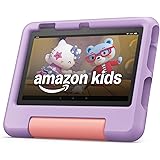
Amazon Fire 7 Kids tablet (newest model) ages 3-7. Top-selling 7" kids tablet on Amazon. Includes ad-free and exclusive content, easy parental controls, 10-hr battery, 16 GB, Purple
IDR 1,986,089.43 (as of July 12, 2026 08:07 GMT +00:00 - More infoProduct prices and availability are accurate as of the date/time indicated and are subject to change. Any price and availability information displayed on [relevant Amazon Site(s), as applicable] at the time of purchase will apply to the purchase of this product.)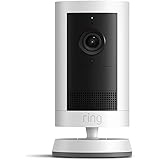
Ring Outdoor Cam Plus, Battery (newest model), Home or business security, Wide-Angle 2K Video with Ring Vision, Low-Light Sight for full-color night vision, Mount-Anywhere Versatility, White
IDR 1,805,519.43 (as of July 12, 2026 08:07 GMT +00:00 - More infoProduct prices and availability are accurate as of the date/time indicated and are subject to change. Any price and availability information displayed on [relevant Amazon Site(s), as applicable] at the time of purchase will apply to the purchase of this product.)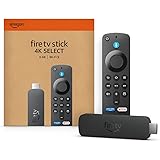
Amazon Fire TV Stick 4K Select (newest model), start streaming in 4K, AI-powered search, and free & live TV, find shows faster with Alexa+
IDR 397,073.43 (as of July 12, 2026 08:07 GMT +00:00 - More infoProduct prices and availability are accurate as of the date/time indicated and are subject to change. Any price and availability information displayed on [relevant Amazon Site(s), as applicable] at the time of purchase will apply to the purchase of this product.)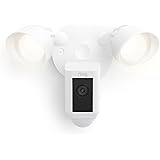
Ring Floodlight Cam Wired Plus, Outdoor home or business security with motion-activated 1080p HD video and floodlights, White
IDR 3,250,079.43 (as of July 12, 2026 08:07 GMT +00:00 - More infoProduct prices and availability are accurate as of the date/time indicated and are subject to change. Any price and availability information displayed on [relevant Amazon Site(s), as applicable] at the time of purchase will apply to the purchase of this product.)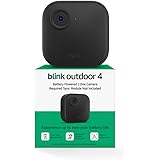
Blink Outdoor 4 – Wireless smart security camera, two-year battery life, two-way talk. Required Sync Module not included – Add-on camera
IDR 1,263,809.43 (as of July 12, 2026 08:07 GMT +00:00 - More infoProduct prices and availability are accurate as of the date/time indicated and are subject to change. Any price and availability information displayed on [relevant Amazon Site(s), as applicable] at the time of purchase will apply to the purchase of this product.)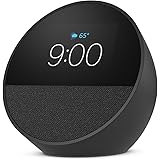
Amazon Echo Spot (newest model), Great for nightstands, offices and kitchens, Smart alarm clock, Designed for Alexa+, Black
IDR 1,444,379.43 (as of July 12, 2026 08:07 GMT +00:00 - More infoProduct prices and availability are accurate as of the date/time indicated and are subject to change. Any price and availability information displayed on [relevant Amazon Site(s), as applicable] at the time of purchase will apply to the purchase of this product.)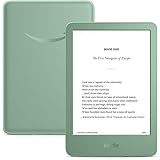
Amazon Kindle 16 GB (newest model) - Lightest and most compact Kindle, now with faster page turns, and higher contrast ratio, for an enhanced reading experience - Matcha
IDR 1,986,089.43 (as of July 12, 2026 08:07 GMT +00:00 - More infoProduct prices and availability are accurate as of the date/time indicated and are subject to change. Any price and availability information displayed on [relevant Amazon Site(s), as applicable] at the time of purchase will apply to the purchase of this product.)
Amazon Echo Dot (newest model) - Vibrant sounding speaker, Designed for Alexa+, Great for bedrooms, dining rooms and offices, Charcoal
IDR 902,669.43 (as of July 12, 2026 08:07 GMT +00:00 - More infoProduct prices and availability are accurate as of the date/time indicated and are subject to change. Any price and availability information displayed on [relevant Amazon Site(s), as applicable] at the time of purchase will apply to the purchase of this product.)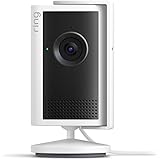
Ring Indoor Cam Plus (newest model), Home or business security, Retinal 2K for crisp, true-to-life video quality, 4x Enhanced Zoom, Low-Light Sight, White
IDR 1,083,239.43 (as of July 12, 2026 08:07 GMT +00:00 - More infoProduct prices and availability are accurate as of the date/time indicated and are subject to change. Any price and availability information displayed on [relevant Amazon Site(s), as applicable] at the time of purchase will apply to the purchase of this product.)